Journaling after a breakup helps process emotions step by step
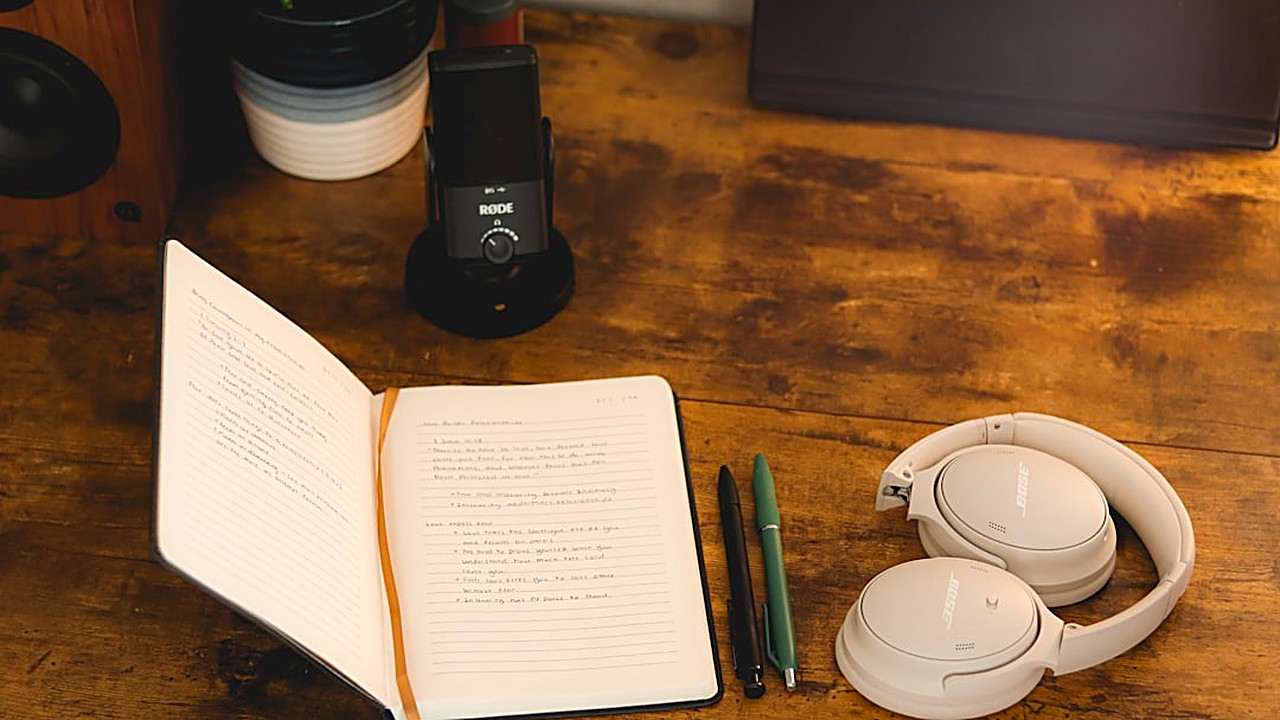
Quick answer: Journaling helps you name feelings, track patterns, and release pain after a breakup. Write freely, set small goals, and review your words weekly. Use prompts to explore sadness, anger, or hope without judgment.↗ Share on X
Journaling after a breakup helps process emotions step by step
 Creative hobbies can help you heal after a breakup →
 How to make a breakup ritual that really helps you heal →
 How to Handle Jealousy When Your Ex Moves On →
Breakups hurt. The pain feels heavy and hard to explain. Writing can make it lighter. Journaling isn’t therapy, but it’s a safe way to sort through emotions when words won’t come out loud. You don’t need perfect sentences. You just need honesty.
I remember a friend who wrote three pages every night after her split. She called it her "brain dump." At first, the pages were full of anger and questions. After weeks, the pages became quieter. She started writing about small wins, like cooking a meal or laughing at a joke. The journal became her witness—not a judge.
This guide shows how to use journaling to process breakup emotions without pressure. You’ll find simple steps, real examples, and ways to keep going even when it feels hard.
Relationship advice that actually helps, in your inbox
Start with a simple daily habit, not a perfect one
You don’t need to write a novel. Five minutes is enough. Set a timer. Open a notebook or a blank document. Write the first thing that comes to mind. It might be messy. That’s okay.
Some people prefer morning pages—three pages of stream-of-consciousness writing right after waking up. Others write at night to close the day. Try both. See what feels natural.
A client once told me she wrote one sentence each day: "Today, I feel ___." It started as frustration. Later, it became curiosity. "Today, I feel curious about what comes next." Small steps build trust in the process.
Use prompts to guide your writing when emotions feel stuck
 Healthy hobbies to heal after a breakup and move forward →
 Why breakup dreams feel real and how to ease the pain →
 Loneliness after no contact ends: why it hurts and what to do →
Sometimes words won’t flow. Prompts help. They give structure without forcing answers.
- What emotion sits heaviest in my chest right now?
- What did I learn about myself in this relationship that still matters?
- If my pain had a color and shape, what would it look like?
- What’s one kind thing I can do for myself today?
Try one prompt. Write for five minutes. Don’t edit. Don’t judge. If nothing comes, write "I don’t know" until something does.
I once used the color prompt after a fight. I scribbled "red like fire, sharp like glass." That image stayed with me for weeks. It helped me see anger wasn’t just noise—it was a signal.
Track patterns to understand your healing, not just the pain
Writing daily creates a map of your heart. Look back each week. Notice what repeats.
- Days with long rants might show unresolved anger.
- Pages full of questions may signal confusion.
- Moments of gratitude could mark small shifts.
Use a highlighter or mark dates. Circle words that repeat: "always," "never," "why." Patterns reveal what your mind keeps circling.
A reader tracked her moods for a month. She noticed her worst days came after seeing her ex’s social media. That pattern helped her set boundaries—not just with him, but with herself.
Write letters you never send to release trapped feelings
Unfinished conversations linger. Writing a letter to your ex—then burning or deleting it—can free that space. No one reads it. You don’t send it. It’s just for you.
Start with: "I need you to know…" or "I’m writing this because…"
- Say the unsaid.
- Ask the unanswered.
- Forgive what you can.
After writing, close the letter. Tear it up. Or save it in a folder labeled "Done." The act matters more than the outcome.
I wrote three letters to an ex who left without explanation. Each one felt like peeling a scab. By the third, the words came softer. The pain didn’t vanish, but it stopped controlling me.
Balance raw honesty with gentle kindness toward yourself
Some days, the journal is a storm. Other days, it’s a whisper. Both are valid.
If you write about self-blame, add one line of kindness: "I’m doing my best in a hard time." If you rage, follow it with: "This anger is protecting me."
Kindness in writing doesn’t erase pain. It gives pain a place to land without drowning you.
A woman I know wrote: "I hate that I still love him." Then she added: "But I also love that I can feel this deeply." That small shift kept her from shame.
Review your words weekly to see growth without pressure
Set aside 10 minutes each week to read old entries. Don’t judge. Just notice.
- Did the same pain appear in different words?
- Did new themes show up, like hope or curiosity?
- Did your handwriting change from tight to looser?
Growth isn’t linear. Some weeks feel backward. That’s normal.
I once read a client’s journal from three months earlier. Her early pages were full of "I’ll never love again." Later pages said, "I’m open to meeting new people." The change wasn’t overnight. It was in the accumulation of small truths.
Pair journaling with small actions to rebuild trust in yourself
Writing alone won’t heal everything. Pair it with tiny steps that prove you’re still here.
- Light a candle while you write.
- Drink tea or water. Hydration helps the brain process emotion.
- After writing, take a five-minute walk outside.
These small rituals tell your nervous system: "I’m safe. I’m taking care of myself."
A friend started lighting a lavender candle each time she wrote. Months later, the scent alone calmed her. Rituals create anchors in change.
Know when to pause or change your approach
If writing feels like a chore or brings more pain than relief, pause. Try drawing, walking, or talking to a trusted friend instead. Journaling should feel like a tool—not a test.
Some people switch to voice notes or digital apps. Others write in short bursts. Adapt to what serves you now.
I once stopped journaling for two weeks after a breakup. I felt guilty. Then I realized rest was part of healing. When I returned, the words came easier.
Combine journaling with other supports for deeper healing
Journaling works best alongside other practices. It’s not a solo cure.
- Talk to a friend who listens without fixing.
- Move your body—dance, stretch, or swim.
- Limit social media that triggers old wounds.
- Sleep and eat regularly to help your brain process grief.
Writing reveals what your heart needs. Other supports help you meet those needs.
A reader paired journaling with morning walks. She wrote about her sadness, then walked to process it physically. The combination helped her grief move through her body, not just her mind.
Keep a "hope file" to remind yourself of progress
Alongside your journal, keep a small notebook or folder. Every time you notice a win—even tiny—write it down.
- "I cooked dinner without crying."
- "I laughed at a meme today."
- "I texted a friend just to say hi."
Read this file when doubt creeps in. Progress isn’t about big moments. It’s about showing up, even when it’s hard.
I kept a hope file during my own breakup. One entry read: "I didn’t cancel plans today." That small act of showing up mattered more than I expected.
Remember: journaling is a practice, not a performance
You won’t write perfectly. Some days, the page will feel empty. Others, it will overflow. Both are part of the process.
The goal isn’t to "get over" the breakup fast. It’s to understand your feelings, release what weighs you down, and slowly rebuild trust in yourself.
Journaling after a breakup isn’t about fixing the pain. It’s about making space for it to change shape.
Final gentle reminder
This article is for general information only and is not a substitute for therapy or medical advice. If you feel overwhelmed or in crisis, please contact a qualified mental health professional or a crisis line in your country.
Frequently asked questions
How often should I journal after a breakup to see benefits?
Start small. Five minutes daily or three pages every morning works for many people. Consistency matters more than length. If daily feels hard, try three times a week. The goal is to build a habit, not to force intensity.
What if I don’t know what to write about in my journal?
Use simple prompts like "Today, I feel…" or "One thing I’m curious about is…" If nothing comes, write "I don’t know" until words appear. The page doesn’t need to be perfect—just honest.
Can journaling make my breakup pain worse instead of better?
Sometimes, writing brings up strong emotions at first. That’s normal. If it feels too heavy, pause and try a lighter practice like walking or talking to a friend. Journaling should help you process, not overwhelm you. Trust your pace.
Should I keep my journal private or share parts with someone?
Keep it private unless you choose to share. Privacy creates safety to write freely. If you want support, share only what feels safe—like a quote or lesson—not raw, unfiltered pain. Your journal is your space.
How long does it take to feel better after using journaling?
Healing timelines vary. Some people notice shifts in weeks. Others take months. Journaling helps you understand your feelings, but it doesn’t erase pain instantly. Be patient. Small steps add up over time.
*This article is for general information only and is not a substitute for therapy or medical advice. If you feel overwhelmed or in crisis, please contact a qualified mental health professional or a crisis line in your country.*