Why comparing yourself to your ex's new partner hurts healing

Quick answer: Comparing yourself to your ex’s new partner keeps you stuck in the past. It fuels pain, lowers self-worth, and delays healing. Focus on your own life to rebuild confidence and move forward.↗ Share on X
Why your brain keeps making this comparison
 Loneliness after no contact ends: why it hurts and what to do →
 Why your ex moves on fast and how to stop blaming yourself →
 How to stop replaying ex’s voice messages without pain →
Your mind is wired to notice differences. After a breakup, it searches for clues about why the relationship ended. When you see your ex with someone new, your brain quickly compares your life to theirs. This happens automatically, like a reflex.
You might think: *"They seem happier now. Did I do something wrong?"* Or: *"They look good together. Am I not enough?"* These thoughts feel real, but they are not facts. They are guesses your mind makes in a moment of pain.
When I worked with people healing from breakups, many shared the same struggle. One client, Sarah, would scroll through her ex’s social media every night. She saw photos of him laughing with his new partner. Each image made her feel smaller. She told me, *"I thought I was moving on, but every post pulled me back."* Her healing slowed because her mind kept revisiting the past.
This comparison is not just about love. It is about safety. Your brain wants to know if you are still okay. But when you focus on someone else’s life, you forget to check on your own needs.
Relationship advice that actually helps, in your inbox
The hidden costs of this habit
Comparing yourself to your ex’s new partner has real effects on your emotions and health. Studies show that social comparison—especially after rejection—can increase stress hormones like cortisol. This makes it harder to sleep, focus, or feel calm.
You may feel anger, sadness, or shame. These feelings are normal, but they can grow stronger over time. One person I met, Mark, felt his chest tighten every time he saw his ex’s new partner. He said it was like a punch to the gut. His body reacted as if he was still in the breakup, even months later.
This habit also steals your energy. Instead of healing, you spend time analyzing their relationship. You might ask: *"Do they treat them better than me?"* Or: *"Why did they move on so fast?"* These questions do not help you grow. They keep you trapped in a loop of doubt.
Over time, this can lower your self-esteem. You start to believe you are not good enough. But remember: their relationship is not a measure of your worth. It is just a different story.
The illusion of "perfect" relationships
 How to Practice Self-Compassion After a Breakup and Feel Better →
 Creative hobbies can help you heal after a breakup →
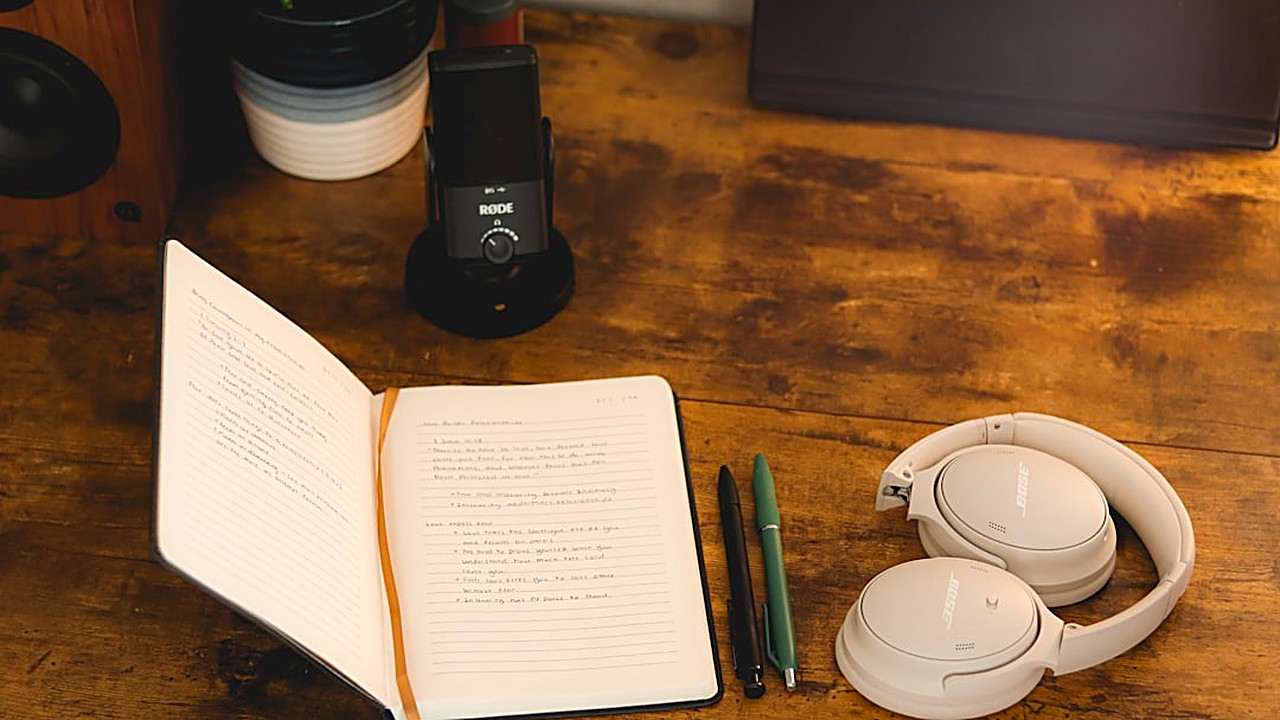 Journaling after a breakup helps process emotions step by step →
Social media makes this problem worse. People often share only the best moments online. You see happy photos, fun dates, and sweet messages. It looks like their life is perfect. But you are not seeing the whole picture.
In reality, no relationship is flawless. Every couple has arguments, doubts, and challenges. You just do not see those moments online. When you compare your behind-the-scenes pain to someone else’s highlight reel, you set yourself up for disappointment.
I once counseled a woman named Lisa who felt defeated after seeing her ex’s new partner. She thought: *"They look so happy. I must have failed."* But when she met the new partner in person, she realized they had their own struggles. They were not perfect. They just chose to share only the good parts online.
Your healing is not about being better than anyone else. It is about being better for yourself.
How to break the cycle of comparison
The first step is to notice when you are comparing yourself. Ask: *"Am I checking their life to feel better, or am I avoiding my own healing?"* Be honest with yourself. This is not about judging your feelings. It is about understanding them.
Next, limit your exposure. If seeing their posts hurts, take a break. Mute their accounts or unfollow them for a while. You do not need to see their life to move forward. Your healing is private, and it belongs to you.
Instead of focusing on them, shift your attention to your own growth. Ask yourself: *"What do I want my next chapter to look like?"* Set small goals, like trying a new hobby or spending time with friends. These actions remind you that your life still has meaning.
One client, James, decided to delete his ex’s social media. He replaced the time he spent scrolling with learning a new skill. Within weeks, he felt more confident. He told me: *"I stopped waiting for their life to change my feelings. I started changing mine instead."*
Rebuilding your confidence after comparison
Comparison often makes you feel like you lost something. But healing is not about getting back what you lost. It is about discovering what you can gain.
Start by listing your strengths. What are you proud of? What do others admire in you? Write these down and read them often. This reminds you that you are more than the breakup.
Also, practice self-compassion. Talk to yourself like you would talk to a friend. If you catch yourself thinking, *"I am not good enough,"* change it to: *"I am learning and growing every day."*
Another way to rebuild confidence is to focus on your values. What matters most to you? Is it kindness, creativity, or independence? When you live by your values, you feel more aligned with who you are. This reduces the need to compare yourself to others.
Remember, confidence is not about being perfect. It is about trusting yourself to handle life’s challenges.
When comparison becomes unhealthy obsession
Sometimes, comparison can turn into an obsession. You might spend hours thinking about their relationship. You could feel jealous, anxious, or even obsessed with finding out details. If this happens, it is a sign to seek support.
Talk to a trusted friend or family member. Share how you feel without judgment. Sometimes, just saying your thoughts out loud can lessen their power.
You can also try grounding techniques. When you feel overwhelmed, pause and name five things you can see, four things you can touch, three things you can hear, two things you can smell, and one thing you can taste. This brings you back to the present moment.
If the obsession feels too strong to handle alone, consider talking to a mental health professional. They can help you work through these feelings in a safe space.
Your healing timeline is yours alone
Every person heals at their own pace. Your ex’s new relationship has nothing to do with your timeline. Some people move on quickly. Others take months or years. Neither is wrong.
I once worked with a man named David who felt stuck because his ex started dating someone new right away. He thought: *"If they can move on so fast, why can’t I?"* But when we talked, he realized his healing was not about speed. It was about understanding his emotions and growing from them.
Your life is not a race. It is a journey. Focus on what feels right for you, not what seems right for someone else.
Small steps to focus on yourself instead
Healing is not about big gestures. It is about small, consistent actions that remind you of your worth. Here are a few ideas:
- Write in a journal every morning. Start with one sentence: *"Today, I will focus on my own growth."*
- Spend time with people who lift you up. Avoid those who make you feel worse.
- Try something new, like a class or a sport. This shifts your energy to the present.
- Practice gratitude. Write down three things you are thankful for each day. This trains your brain to see the good in your life.
- Set boundaries. If certain places or people trigger painful memories, it is okay to step back.
These steps are not about forgetting your ex. They are about remembering yourself.
The freedom of letting go
Letting go of comparison is not about forgetting the past. It is about releasing its hold on your future. When you stop measuring your life against someone else’s, you create space for new possibilities.
You might discover passions you forgot you had. You could meet new people who inspire you. Your confidence may grow in ways you never expected.
One woman I met, Elena, felt trapped in comparison for months. But when she finally stopped looking at her ex’s life, she started a small business. She told me: *"I realized my worth was never tied to their choices. It was always inside me."*
Your healing is a gift to yourself. It is not easy, but it is worth it.
This article is for general information only and is not a substitute for therapy or medical advice. If you feel overwhelmed or in crisis, please contact a qualified mental health professional or a crisis line in your country.
Frequently asked questions
Is it normal to feel jealous when my ex starts dating someone new?
Yes, it is normal to feel jealous or upset. These emotions come from love and loss. The key is not to judge yourself for feeling this way, but to recognize that these feelings do not define your worth or your future.
How can I stop checking my ex’s social media without feeling like I’m hiding from reality?
Try replacing the habit with something positive. For example, spend that time learning a new skill, exercising, or connecting with friends. Over time, your brain will start to associate that time with growth instead of comparison.
What if I feel like I’ll never be as happy as they seem to be with their new partner?
Remember that what you see online is only a small part of their story. Happiness is not a competition. Focus on creating your own joy, even in small ways each day.
Can comparing myself to my ex’s new partner actually help me improve my own life?
Only if it inspires you to grow in a healthy way. For example, if seeing their new relationship motivates you to work on your own goals, that can be positive. But if it only makes you feel worse, it is not helping you heal.
How long does it take to stop comparing myself to my ex’s new partner?
There is no set timeline. Healing is personal. Some people notice a shift in weeks, while others take months. Be patient with yourself. The goal is progress, not perfection.
*This article is for general information only and is not a substitute for therapy or medical advice. If you feel overwhelmed or in crisis, please contact a qualified mental health professional or a crisis line in your country.*