Healthy hobbies to heal after a breakup and move forward

Quick answer: Healthy hobbies help you shift focus from pain to growth. Choose activities that match your energy, challenge you gently, and bring small daily wins. Avoid anything that isolates you or triggers memories of your ex.↗ Share on X
Why hobbies matter when you're healing
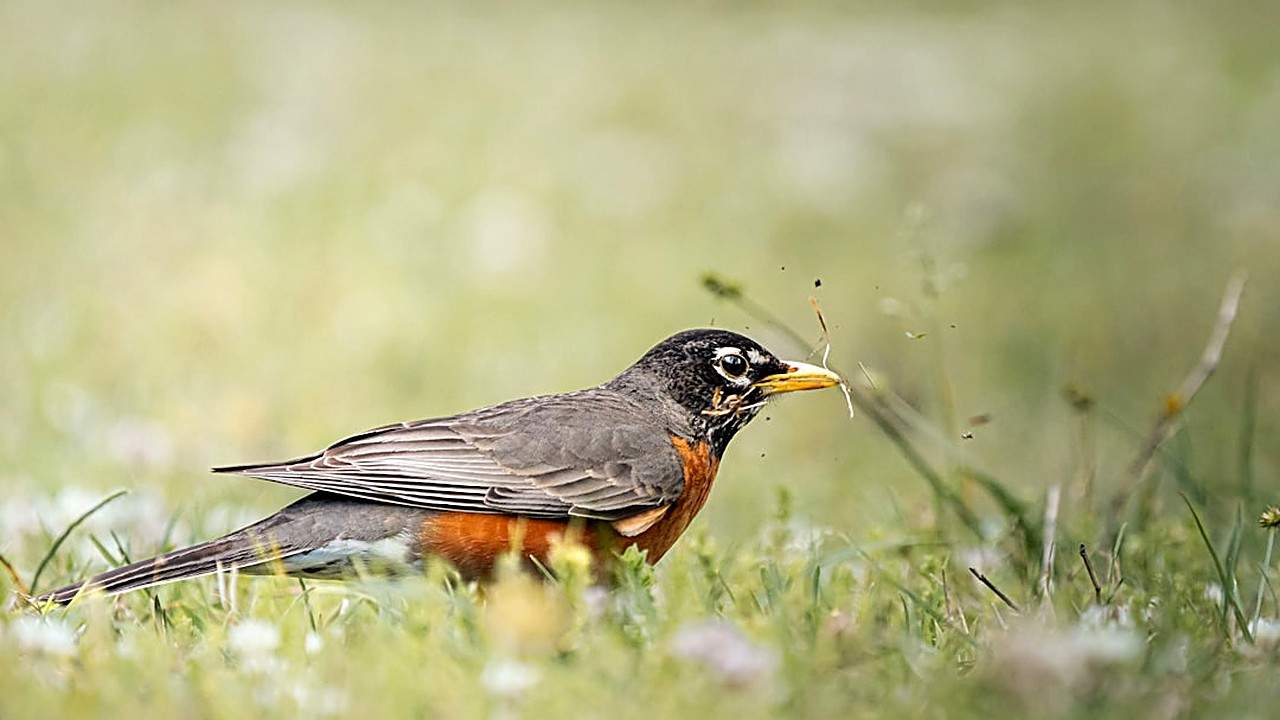 Creative hobbies can help you heal after a breakup →
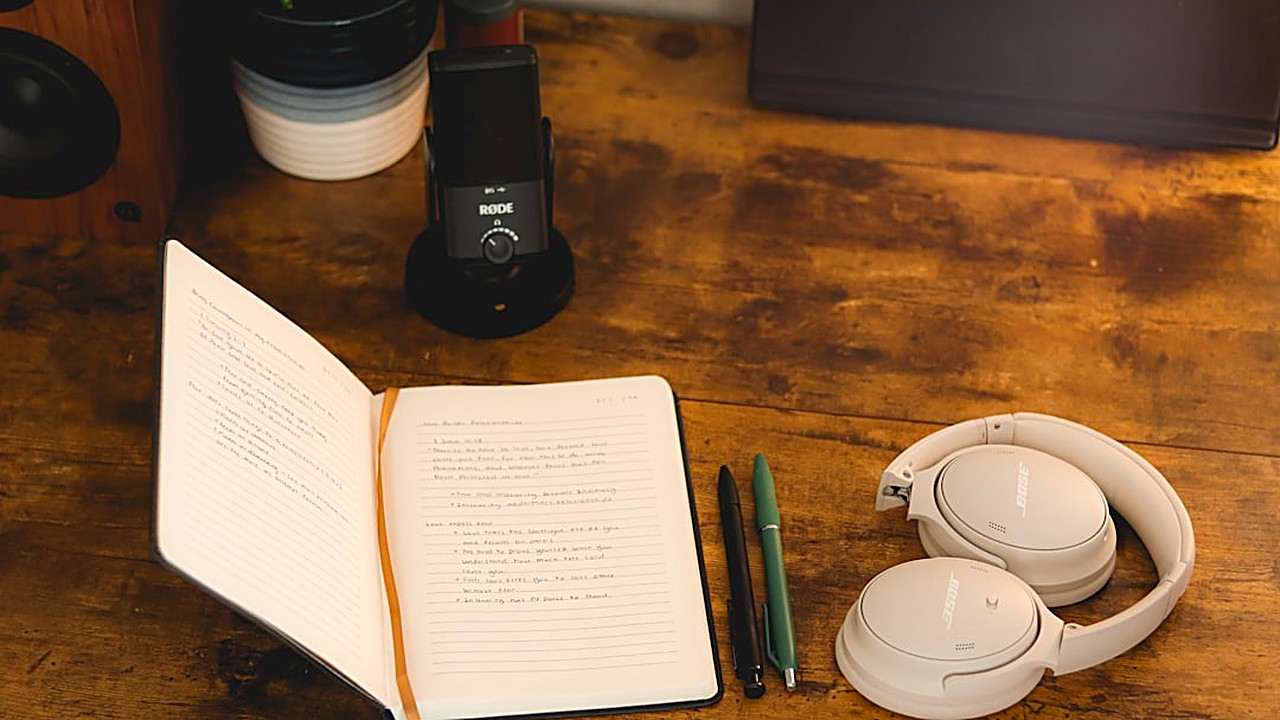 Journaling after a breakup helps process emotions step by step →
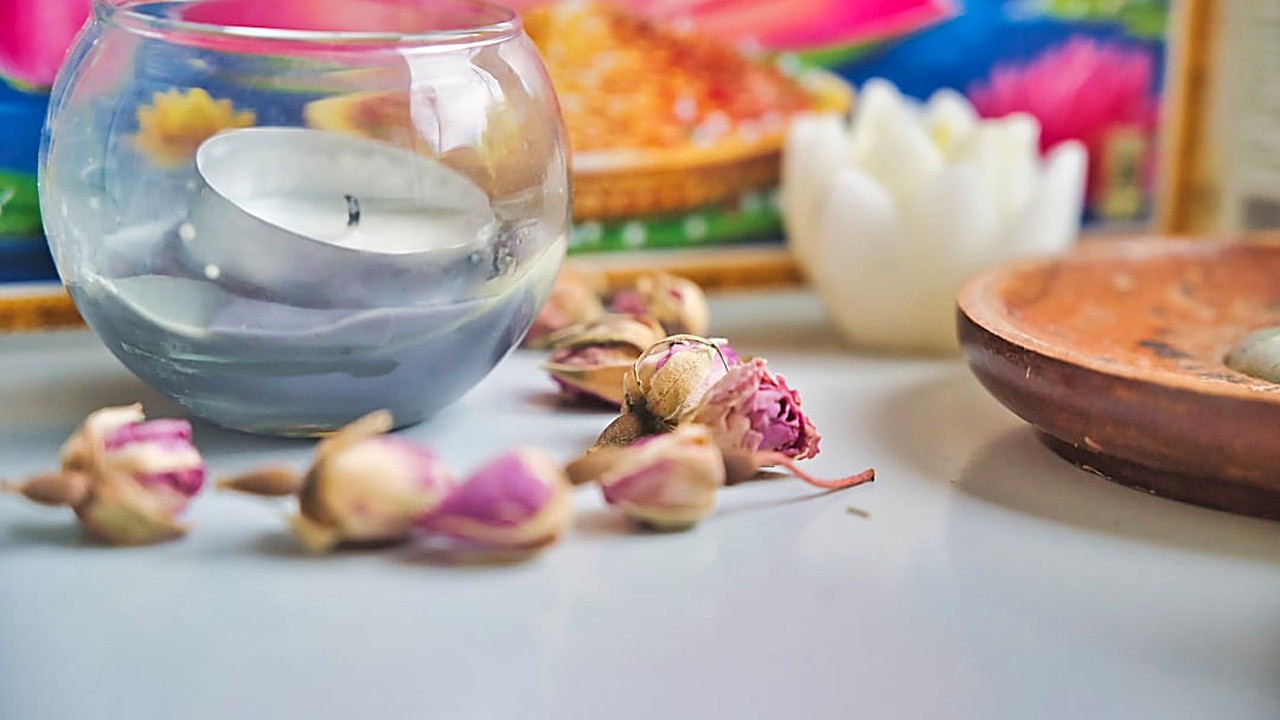 How to make a breakup ritual that really helps you heal →
Breakups leave a quiet space in your mind. That space can fill with thoughts of your ex, old routines, or regret. Hobbies act like a gentle hand that guides your attention elsewhere. They give your hands something to do and your brain something new to learn. When I went through my own breakup, I noticed how much time I wasted staring at my phone, scrolling through old messages. One day, I picked up a small sketchbook. It wasn’t about becoming an artist. It was about making my hands busy and my mind quiet. Within weeks, I felt less stuck in the past.
Hobbies also help you rebuild your identity. After a breakup, it’s easy to feel like half of a pair again. A new hobby reminds you that you are whole on your own. It shows you new sides of yourself. Maybe you discover you love baking bread or fixing bikes. These small discoveries add up to a stronger sense of who you are.
Relationship advice that actually helps, in your inbox
Signs you need a new hobby right now
You might feel bored easily. You open the fridge, scroll your phone, or stare at walls for long minutes. Your usual routines feel empty. You might also notice you’re avoiding places or people because they remind you of your ex. These are signals your mind is waiting for something fresh to fill the gap.
Another sign is feeling restless at night. Your body wants to move, but your mind keeps replaying the breakup. A hobby that involves physical activity can help burn off that extra energy. Think of it as a quiet rebellion against the sadness. You’re choosing to do something for yourself instead of waiting for time to heal you.
How to pick a hobby that actually helps
 How to Handle Jealousy When Your Ex Moves On →
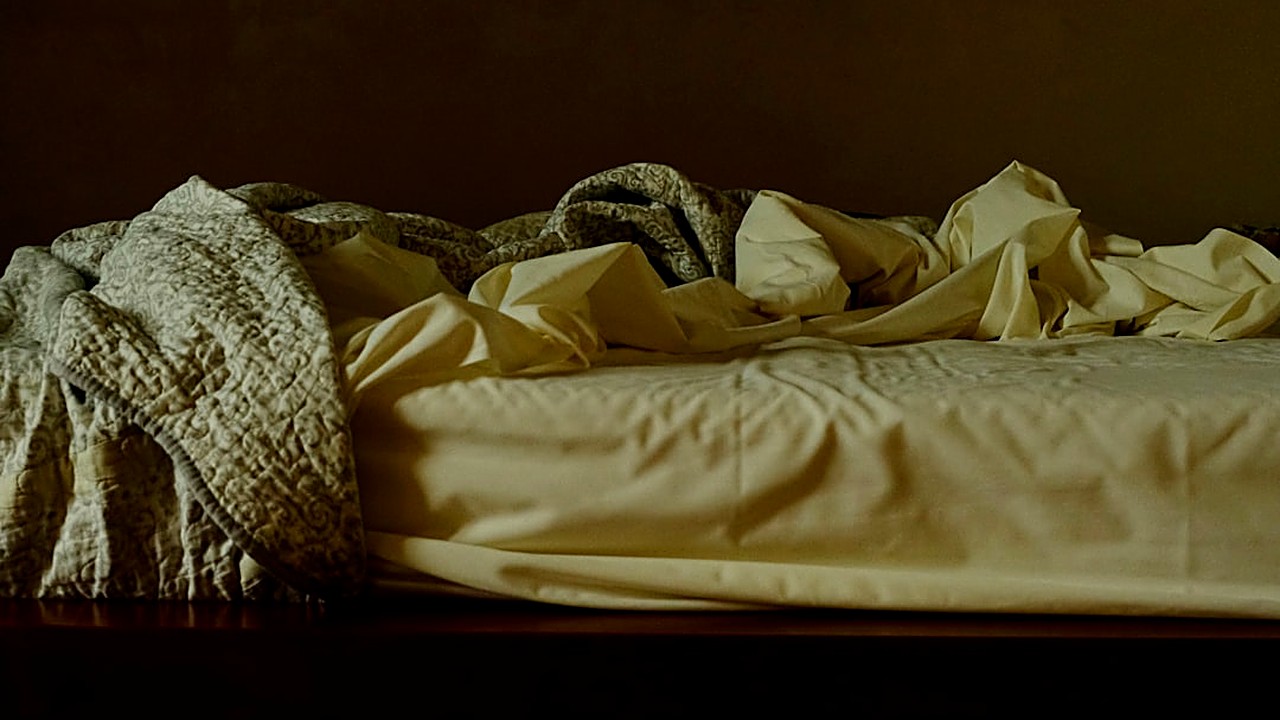 Why breakup dreams feel real and how to ease the pain →
 Loneliness after no contact ends: why it hurts and what to do →
Not all hobbies are equal when you’re healing. Some can make things worse. Avoid anything that isolates you for hours, like binge-watching shows alone every night. Also skip hobbies tied too closely to your ex, like listening to their favorite music or rewatching series you watched together.
Instead, look for hobbies that:
- Are easy to start but hard to master slowly
- Give you small rewards often (like finishing a page in a notebook)
- Let you meet new people without pressure
- Cost little or nothing to begin
I once suggested a friend try gardening. She laughed and said she had a black thumb. But she started with one small herb pot on her windowsill. Within a month, she had fresh basil for her meals. The plant gave her something to care for besides herself. That care grew into confidence.
Creative hobbies to rebuild your mind
Creative hobbies work like therapy without the couch. They let you express feelings you can’t put into words. Writing short stories, painting with watercolors, or even coloring mandalas can calm a racing mind. You don’t need talent. You need curiosity.
Try this: set a timer for 10 minutes. Write a letter to your ex you will never send. Then write a letter to your future self about what you want next. The first letter releases the pain. The second letter plants hope. Both take less than 15 minutes but shift your mood noticeably.
Another option is learning an instrument. You don’t need to play a concert. Just strumming a ukulele or pressing piano keys can release tension. The sound waves literally relax your nervous system. I remember my neighbor started playing harmonica every evening. Neighbors said they felt calmer just hearing the soft tunes. That small habit changed the mood of his whole home.
Physical hobbies to release trapped emotions
Movement is medicine when emotions feel stuck. You don’t need to run marathons. A daily 20-minute walk outside does wonders. The fresh air clears your head. The rhythm of walking gives your mind space to process without overload.
Dancing is another powerful tool. You can dance alone in your room to music that matches your mood. No steps required. Just move your body to the beat. The physical release lowers stress hormones. Over time, it rebuilds your energy and mood.
Yoga combines movement and breath. Even 10 minutes of gentle stretches can reset your nervous system. Studies show yoga reduces cortisol, the stress hormone, by up to 35% in just a few weeks. You don’t need fancy mats or classes. A quiet corner and a video on your phone work fine.
Social hobbies to rebuild trust in people
After a breakup, it’s normal to feel wary of new connections. But isolation slows healing. Social hobbies let you meet people in low-pressure settings. Try a book club where you discuss one chapter a week. Or join a walking group in your neighborhood. The shared activity takes the focus off small talk.
Volunteering is another way to rebuild trust in humanity. Helping others shifts your focus from your pain to their needs. It reminds you that the world still has good people. I volunteered at an animal shelter once a week. The dogs didn’t care about my breakup. They just wanted belly rubs. That simple act of giving care healed me more than I expected.
Practical steps to start without pressure
Begin small. Choose a hobby that takes less than 30 minutes a day. Set a gentle goal, like practicing three times a week. Use reminders on your phone to keep it simple. Track your progress in a notebook or app. Seeing small wins builds momentum.
Pair your hobby with an existing routine. If you drink coffee every morning, do your hobby right after. If you walk the dog, bring a sketchbook and draw for five minutes. These tiny anchors make it easier to start.
Don’t wait for motivation. Motivation comes after you start, not before. The first few times might feel awkward. That’s normal. The goal isn’t perfection. It’s showing up for yourself.
Hobbies to avoid while healing
Some hobbies can backfire. Avoid anything that numbs you for hours, like endless scrolling, video gaming marathons, or drinking alone. These might feel like comfort at first, but they delay healing. They keep you stuck in avoidance instead of growth.
Also avoid hobbies tied too closely to your ex. Re-reading old messages, rewatching shows you watched together, or visiting places you went as a couple can reopen wounds. These activities keep the past alive instead of helping you move forward.
How to know if a hobby is working
You’ll notice small shifts. Your mood feels lighter after the activity. You wake up curious about what you’ll try next. You might even forget to check your phone for longer stretches. These are signs your brain is healing.
Another sign is that you start to feel proud of small efforts. Maybe you baked a cake without burning it. Maybe you finished a page of writing. These tiny victories build confidence. They remind you that you are capable of growth.
Making hobbies a habit that lasts
Habits stick when they feel rewarding. Choose hobbies that give you something to look forward to. Maybe it’s the smell of fresh bread baking or the sound of a metronome keeping rhythm. These sensory rewards make the habit stick.
Pair your hobby with a reward. After a week of practicing guitar, treat yourself to a favorite tea. After a month of daily walks, buy a new water bottle. These rewards reinforce the habit without guilt.
Finally, be kind to yourself. Some days you won’t feel like doing the hobby. That’s okay. Healing isn’t linear. The goal isn’t to be perfect. It’s to show up for yourself, one small step at a time.
Frequently asked questions
How do I know if a hobby is helping me heal or just distracting me?
A healing hobby usually leaves you feeling lighter or calmer after you finish. It might spark curiosity or small pride in your effort. A distracting hobby often makes you feel numb or avoids your emotions instead of processing them. Pay attention to how you feel one hour after the activity. If you feel more at peace, it’s likely helping. If you feel empty or avoidant, it might be masking pain.
What if I try a hobby and feel worse at first?
It’s normal to feel awkward or frustrated when you start something new. These feelings are part of learning, not signs that the hobby is bad. Give yourself three to five tries before deciding. If the negative feelings grow stronger or last longer than a week, consider switching to something gentler. Healing hobbies should not increase your pain.
Can I go back to old hobbies I did with my ex?
It depends on how you feel. If revisiting the hobby brings up mostly good memories and no strong pain, it might be okay. But if it feels forced or triggers sadness, it’s better to wait. Try the hobby alone first, without reminders of your ex. If it still feels good, you can slowly reintroduce it.
How much time should I spend on a new hobby each day?
Start with 10 to 30 minutes a day. The key is consistency, not duration. Even five minutes counts if you do it regularly. Over time, you can increase the time if it feels right. The goal is to build a habit that fits your energy and schedule, not to force yourself into a rigid routine.
What if I don’t have money to try new hobbies?
Many healing hobbies cost little or nothing. Walking, writing, drawing, or volunteering don’t require special tools. Libraries often lend hobby kits or offer free classes. Online platforms have free tutorials for everything from painting to coding. Start with what you have. Creativity doesn’t need expensive supplies.
*This article is for general information only and is not a substitute for therapy or medical advice. If you feel overwhelmed or in crisis, please contact a qualified mental health professional or a crisis line in your country.*