How to Practice Self-Compassion After a Breakup and Feel Better

Quick answer: A breakup hurts deeply. Treat yourself like you would a close friend: listen without judging, give time to grieve, and choose small acts of care. Healing is not about forgetting fast, but about being gentle with your pain.↗ Share on X
Why a Breakup Feels Like Losing a Part of Yourself
 Why your ex moves on fast and how to stop blaming yourself →
 How to stop replaying ex’s voice messages without pain →
 Why comparing yourself to your ex's new partner hurts healing →
A breakup can feel like a physical loss. Your brain reacts similarly to rejection as it does to physical pain. Studies show that social rejection activates the same brain regions as physical injury. This explains why the hurt feels so real, even if others don’t see the wound.
I remember sitting on my couch after my first big breakup. The silence felt louder than words. My chest felt tight, like a hand was squeezing my heart. I kept replaying conversations, searching for what I missed. It took weeks to realize I was not just grieving the person, but the future I imagined with them.
This kind of pain is normal. It does not mean you are weak. It means you cared deeply. The first step to healing is to acknowledge that pain without pushing it away. Try this: place a hand over your heart and say, *“This hurts, and that’s okay.”* It sounds simple, but it shifts your mind from fighting the pain to accepting it.
Relationship advice that actually helps, in your inbox
The Difference Between Self-Compassion and Self-Pity
Self-compassion is not about feeling sorry for yourself. It is about recognizing your pain and responding with kindness, just as you would for someone you love. Self-pity, on the other hand, keeps you stuck in the story of *“Why me?”* It focuses on the unfairness, not the healing.
Research by psychologist Kristin Neff shows that self-compassion reduces shame and increases emotional resilience. People who practice it tend to recover faster from setbacks. One way to tell the difference is to notice your inner voice. Does it say, *“This is hard, but I will get through it”*, or does it say, *“I can’t believe this happened to me”?
After my second breakup, I caught myself saying, *“I always choose the wrong people.”* That voice was not helping. So I asked myself: *Would I say this to a friend?* The answer was no. I would say, *“This relationship didn’t work out, but I’m learning.”* That small shift changed everything.
How to Talk to Yourself Like a Friend
 Creative hobbies can help you heal after a breakup →
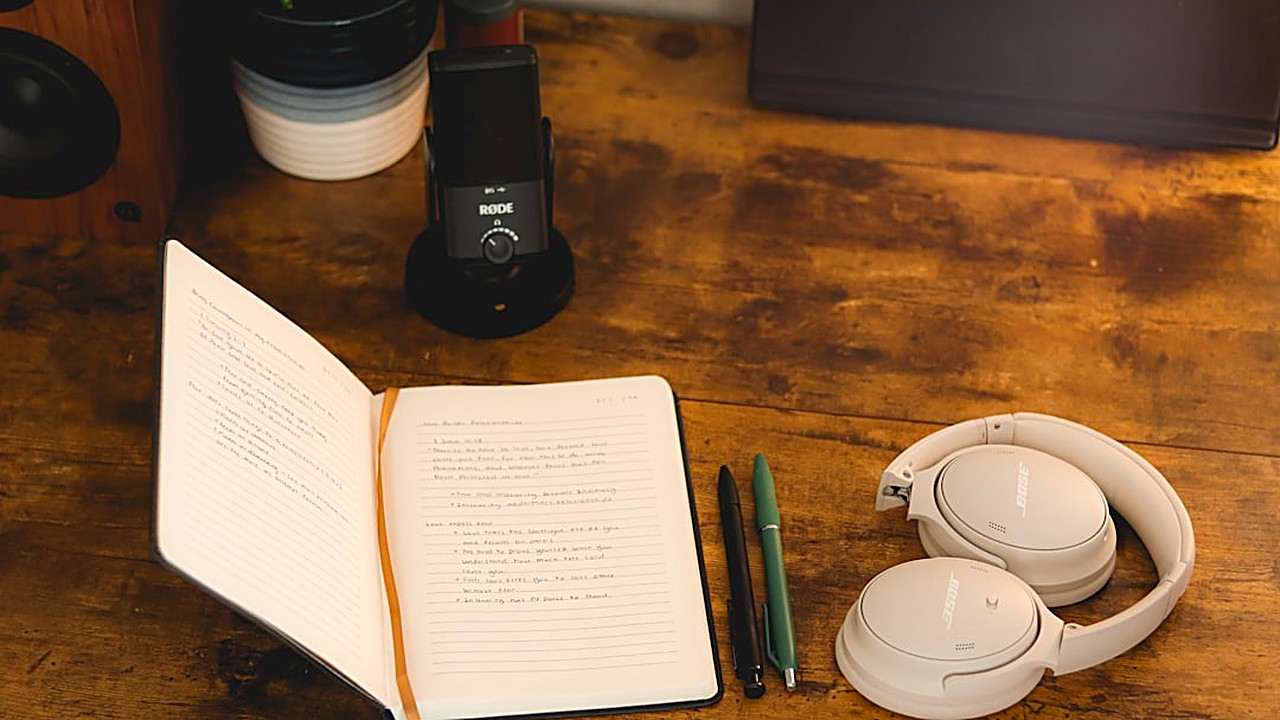 Journaling after a breakup helps process emotions step by step →
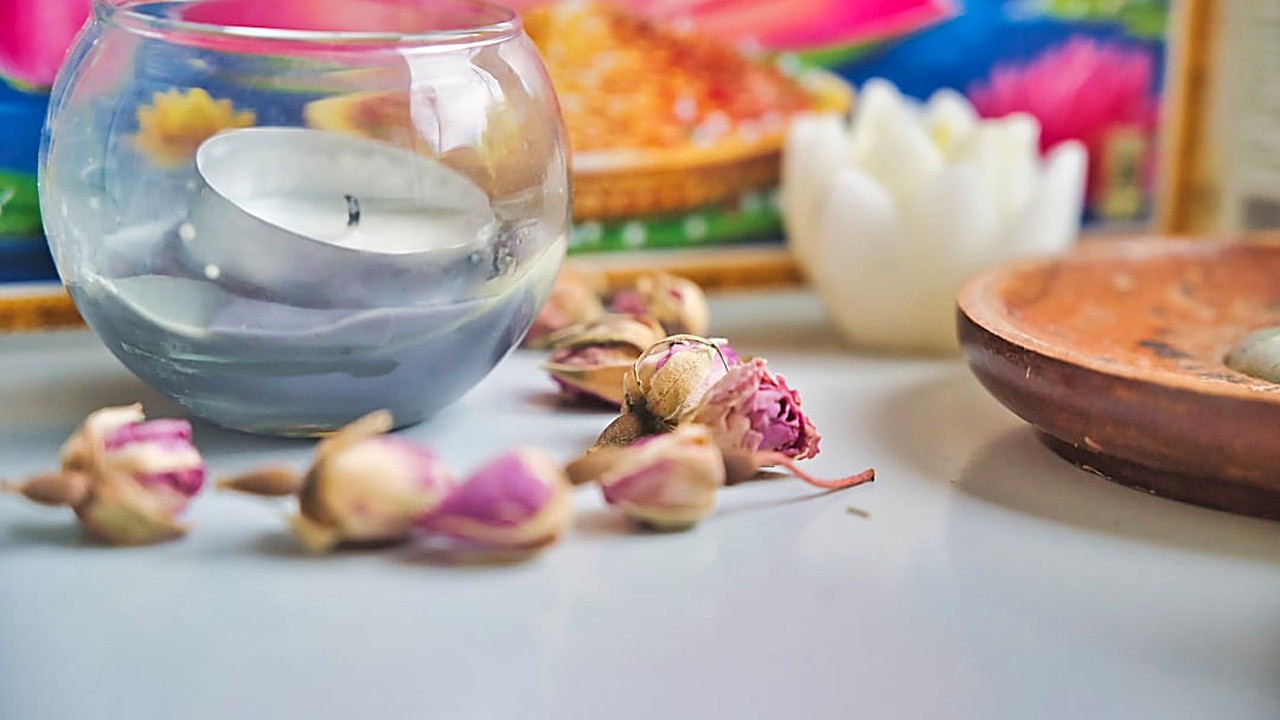 How to make a breakup ritual that really helps you heal →
Imagine your best friend just went through a breakup. What would you say to them? Most likely, you would avoid harsh words. You would listen, offer comfort, and remind them they are worthy of love. Now, try saying those same words to yourself.
Start by naming your feelings without judgment. Instead of *“I’m so stupid for trusting him,”* try *“I feel hurt because I trusted someone who didn’t treat me well.”* This separates the action from your self-worth. It also helps you see the situation more clearly.
Another trick is to write a letter to yourself from the perspective of a caring friend. Describe what you see in them: their strength, their kindness, their ability to grow. Read it aloud. Many people cry the first time they do this, not from sadness, but from relief—like finally hearing the words they needed to say.
Small Daily Acts That Show You Care
Healing is built in small moments, not grand gestures. After my breakups, I started with tiny acts of kindness. I made my bed every morning, even when I didn’t want to. I cooked a simple meal I loved. I walked outside for five minutes, just to feel the air on my skin.
These actions might seem unrelated to the breakup, but they send a message to your brain: *I am taking care of myself.* Over time, this builds trust in your own ability to heal. You do not need to force yourself to be happy. Just do one thing today that feels like love.
Some days, that might mean canceling plans to rest. Other days, it might mean calling a friend for a laugh. There is no right or wrong way. The key is to listen to what your body and mind need in that moment.
When Pain Feels Overwhelming: Gentle Steps Forward
Some days, the sadness feels too heavy to move. On those days, try the *“5-minute rule.”* Tell yourself: *I only need to get through the next five minutes.* Set a timer. During those five minutes, do something neutral—drink water, stretch, or sit quietly. Often, the hardest part is starting. Once you begin, the moment passes more easily.
Another helpful tool is the *“body scan.”* Close your eyes and slowly notice each part of your body. Where do you feel tension? Your jaw? Your shoulders? Breathe into those areas and imagine releasing the tightness. This grounds you in the present instead of spiraling into the past or future.
Remember, healing is not linear. Some days will feel lighter. Others will feel like you’re back at square one. Both are normal. What matters is that you keep showing up for yourself, even in small ways.
The Role of Boundaries in Self-Compassion
Self-compassion includes protecting your energy. After a breakup, you might feel tempted to stay in touch with your ex, hoping things will change. But staying connected often delays healing. It keeps the wound open.
Set gentle boundaries for yourself. This could mean muting their social media for a while or asking friends not to bring them up in conversation. Boundaries are not about punishment. They are about respect—for your time, your emotions, and your growth.
I once stayed friends with an ex for months after the breakup. Every time I saw their name pop up, my stomach dropped. It took me a long time to realize I was not healing—I was just delaying the inevitable. When I finally stepped back, the relief was immediate.
How to Handle Triggers Without Judging Yourself
Triggers are moments that bring back strong emotions from the breakup. A song, a place, or even a smell can spark memories. When this happens, your first reaction might be to scold yourself: *“Why am I still upset about this?”*
Instead, try to pause. Acknowledge the trigger without shame. Say to yourself: *“This is a reminder of what I lost. It makes sense that I feel this way.”* Then, choose how to respond. You might listen to a different song, leave the room, or take a few deep breaths.
Over time, triggers lose their power. But in the beginning, they can feel like a punch to the gut. Be patient. Each time you face a trigger with kindness instead of criticism, you strengthen your resilience.
Building a Support System That Feels Safe
Healing does not happen in isolation. You need people who listen without fixing, who sit with you in the pain without rushing you to “get over it.”
After my breakup, I joined a support group for people healing from relationships. Hearing others’ stories made me feel less alone. I also leaned on a few close friends who checked in without judgment. Their presence was more powerful than any advice they gave.
If you don’t have a support system, start small. Reach out to one person you trust. Tell them, *“I’m going through a tough time. Can we talk?”* Most people are honored to be asked. If you feel overwhelmed by socializing, try online communities where you can share at your own pace.
When to Seek Extra Help
Self-compassion is powerful, but sometimes the pain feels too heavy to carry alone. If you notice signs like constant hopelessness, trouble sleeping, or losing interest in things you once enjoyed, it may be time to talk to a professional. Therapy is not a sign of weakness. It is a tool for healing.
Many countries offer free or low-cost mental health services. You can also contact crisis lines if you need immediate support. Your pain deserves to be met with care, whether that’s from a therapist, a friend, or yourself.
A Reminder: Healing Takes Time
There is no timeline for grief. Some people feel better in weeks. Others need months or years. What matters is that you keep moving forward, even if it’s just one step at a time.
I once read a quote that stuck with me: *“You don’t heal from loss by avoiding it. You heal by letting it change you.”* A breakup changes you. It reshapes your understanding of love, trust, and what you deserve. That change can feel scary, but it also opens the door to growth.
Be gentle with yourself. Celebrate small wins. And remember: you are not broken. You are healing.
Frequently asked questions
How do I stop blaming myself after a breakup?
Start by separating your actions from your worth. Instead of saying *“I failed,”* try *“I made a choice that didn’t work out.”* Write down what happened without judging yourself. Ask: *Would I blame a friend this harshly?* If not, try to extend that same kindness to yourself.
Is it okay to stay friends with my ex after a breakup?
It depends on what feels healthy for you. Staying friends can sometimes delay healing, especially if you still have strong feelings. If you choose to stay in touch, set clear boundaries. Ask yourself: *Does this connection help me move forward, or does it keep me stuck?*
What if I feel guilty for moving on too fast?
Guilt often comes from comparing your healing to someone else’s timeline. Remember, there is no “right” speed. If you feel ready to meet new people, that’s okay. If you need more time, that’s okay too. Trust your own process without judging it.
How can I stop replaying memories of my ex?
Memories are normal, but you can gently redirect your focus. When a memory comes up, acknowledge it without judgment. Then, shift your attention to something in the present—like the sound of your breath or the texture of an object nearby. Over time, the memories will feel less intense.
What if I don’t feel any better even after trying these steps?
Healing is not a straight line. Some days will feel harder than others. If you feel stuck for a long time or notice signs like hopelessness or loss of interest in life, consider talking to a mental health professional. They can offer tools tailored to your needs.
*This article is for general information only and is not a substitute for therapy or medical advice. If you feel overwhelmed or in crisis, please contact a qualified mental health professional or a crisis line in your country.*