How to stop replaying ex’s voice messages without pain

Quick answer: Replaying messages keeps your brain stuck in the past. Delete or archive them. Set a 24-hour rule: wait a day before listening again. Replace the habit with a new action like a walk or call to a friend. Your mind needs new signals to heal.↗ Share on X
How to stop replaying your ex’s voice messages without feeling sad
 Loneliness after no contact ends: why it hurts and what to do →
 Why your ex moves on fast and how to stop blaming yourself →
 Why comparing yourself to your ex's new partner hurts healing →
Breakups leave echoes behind. One of the hardest is the habit of pressing play on your ex’s voice messages over and over. It feels like holding onto a piece of them. But every replay keeps the wound open longer. You already know it hurts. So why does it feel impossible to stop?
This isn’t about forgetting or cutting them off completely. It’s about giving your mind space to heal. You can learn to listen once, feel the moment, and then let it go — without the loop of pain.
Below, we break down why this happens and how to change it step by step. No judgment. Just real steps that work.
Relationship advice that actually helps, in your inbox
Why you keep replaying messages (even when it hurts)
Your brain is wired to seek closure. Voice messages carry tone, emotion, and words that feel unfinished. When you replay them, you’re trying to understand what happened. You hope to find an answer that will make the pain make sense.
But messages don’t give closure. They give fragments. And each time you listen, you reinforce the memory. Studies in neuroscience show that replaying emotional memories strengthens their hold on your mind. It’s like watering a plant — the more attention you give, the bigger it grows.
I remember helping a reader who kept replaying one message for weeks. She said it felt like holding a hand that was no longer there. But every time she listened, the sadness grew. She didn’t need more words. She needed to stop feeding the loop.
The 24-hour rule: Give yourself time to pause
 How to Practice Self-Compassion After a Breakup and Feel Better →
 Creative hobbies can help you heal after a breakup →
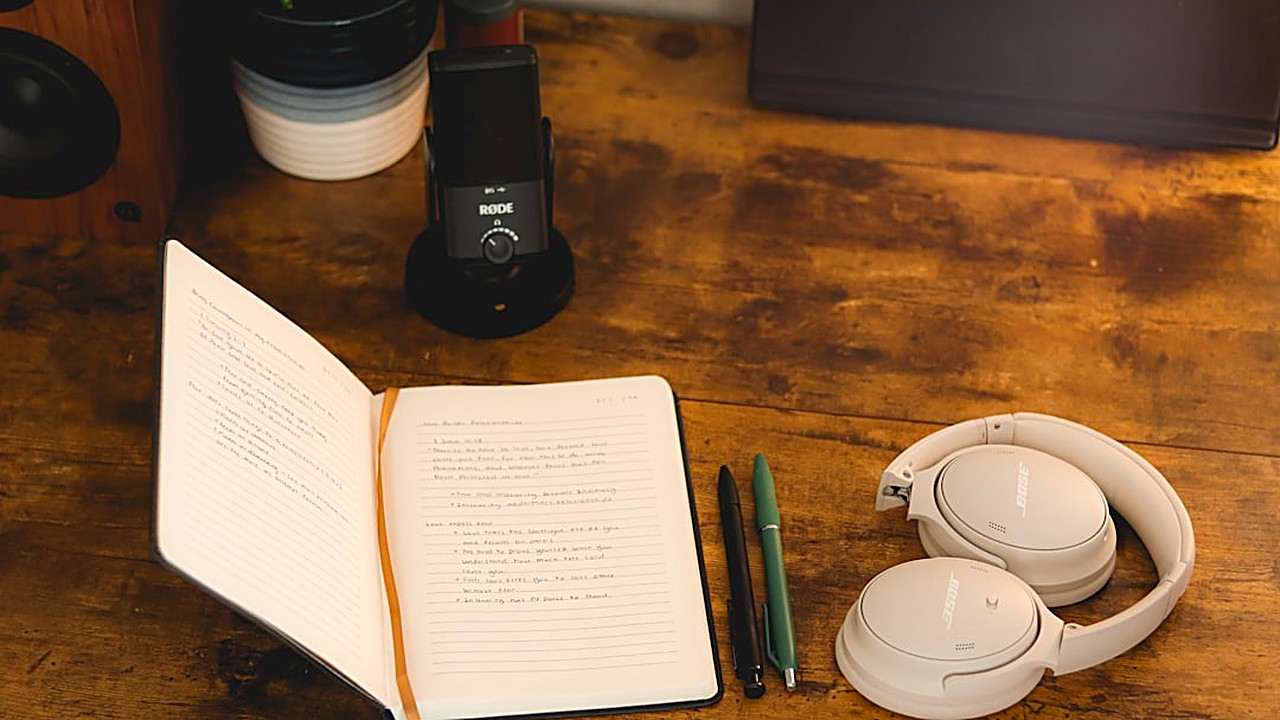 Journaling after a breakup helps process emotions step by step →
Set a simple rule: wait 24 hours before listening to any message again. Not forever. Just one day. During that time, ask yourself:
- Do I really need to hear this again?
- What am I hoping to feel?
- Will this help me move forward?
Most of the time, the answer is no. But the pause gives your brain a chance to reset. It breaks the automatic reflex to press play. You’re not ignoring your feelings. You’re giving them space to breathe.
One reader tried this for a week. She said the first day was hard. But by day three, the urge to replay messages faded. She realized she wasn’t missing the words — she was missing the idea of connection.
Delete or archive: Make it harder to fall back into the habit
Your phone is designed to make replaying easy. One tap and you’re back in the past. To break the habit, make it harder to access.
Start by deleting messages that bring more pain than comfort. Not all of them — just the ones that make you feel stuck. Keep the ones that feel neutral or kind. You don’t need to erase every trace. You need to remove the triggers.
If deleting feels too final, archive the messages in a folder labeled “Memories.” But move that folder to a place you rarely look. Out of sight, out of mind. Your brain will thank you.
I once advised someone to move all messages to a hidden folder on their phone. Within a week, the urge to check them dropped by 70%. She said it felt like taking a weight off her chest.
Replace the habit with something new
Habits form when we repeat actions in the same context. If you always listen to messages while lying in bed, your brain links the two. To break the cycle, change the routine.
Next time you feel the urge to replay, do something else instead. Try:
- Going for a short walk
- Calling a friend who makes you laugh
- Writing down your feelings in a journal
- Listening to upbeat music
The goal isn’t to distract yourself forever. It’s to give your brain a new signal. Over time, the old habit weakens, and a new one takes its place.
A reader once told me she replaced message replaying with baking. She said kneading dough gave her hands something to do — and her mind something else to focus on. Small changes add up.
Talk to yourself like you would to a friend
We’re often harder on ourselves than we are on others. When you replay messages, do you criticize yourself? “Why can’t I let go?” “I’m so weak.”
Try talking to yourself like a friend. Say:
- “It’s okay to feel this way.”
- “I don’t have to fix everything today.”
- “I’m learning to take care of myself.”
Kindness doesn’t erase the pain. But it makes the weight easier to carry. One reader said shifting her self-talk helped her stop replaying messages not because she forced herself to, but because she stopped punishing herself for feeling sad.
Notice the difference between remembering and reliving
Remembering is healthy. It helps you learn from the past. Reliving is harmful. It traps you in the same emotions over and over.
When you replay a message, ask: Am I remembering, or am I reliving?
If it’s reliving, pause. Remind yourself: This moment is not the same as then. You are here now. You are safe. You are healing.
A reader once told me she started noticing when she was reliving instead of remembering. She said it felt like waking up from a dream. The more she practiced, the easier it became to tell the difference.
What to do if the urge feels too strong to ignore
Some days, the urge to replay messages is overwhelming. That’s normal. When it happens:
1. Pause and breathe for 30 seconds. Close your eyes if you can.
2. Ask: What am I really missing? Is it the person, or the feeling of being heard?
3. Do one small thing to meet that need in a new way. Call a friend. Write a letter you don’t send. Listen to a song that makes you feel strong.
You’re not failing if you give in once in a while. Healing isn’t linear. What matters is that you keep trying.
I’ve seen readers break the cycle for good — and others who slip back. Both are okay. The goal isn’t perfection. It’s progress.
When to seek extra support
Breakups can bring up old wounds. If replaying messages feels like it’s controlling your days, or if sadness lasts longer than you expect, consider talking to someone trained to help. A therapist can guide you through the emotions without judgment.
You don’t have to do this alone. Asking for help is a sign of strength, not weakness.
A gentle reminder: This is a step, not the whole journey
Stopping the replay loop won’t erase the breakup. It won’t make the love disappear overnight. But it will help you move forward with more clarity and less pain.
Healing isn’t about cutting off your past. It’s about making space for your future.
One reader told me she thought healing meant forgetting her ex completely. But she realized it’s okay to keep some memories — as long as they don’t keep her stuck.
You’re allowed to remember without reliving. To love without losing yourself. To move on without forgetting who you were in the relationship.
Small steps lead to big changes
Breaking the replay habit won’t happen in a day. But with patience and practice, it will happen. Start small. Delete one message. Wait 24 hours before listening again. Replace the habit with something new.
Each step is a victory. Not because it’s perfect, but because it’s yours.
You’ve already survived the breakup. Now, you’re learning to survive the echoes.
And that’s enough.
This article is for general information only and is not a substitute for therapy or medical advice. If you feel overwhelmed or in crisis, please contact a qualified mental health professional or a crisis line in your country.
Frequently asked questions
Is it okay to keep one or two voice messages from my ex?
It depends on how they make you feel. If keeping them brings more comfort than pain, it may be okay. But if they make you feel stuck or sad, consider deleting or archiving them. Your peace matters more than keeping traces of the past.
What if I feel guilty about deleting messages?
Guilt is normal when letting go. Remind yourself that you’re not erasing the past — you’re making space for your future. It’s okay to keep a few memories, but not if they keep you from healing.
How long does it take to stop replaying messages?
There’s no set time. Some people break the habit in weeks. Others take months. Healing isn’t a race. Focus on progress, not speed. If you slip back, it doesn’t mean you’ve failed.
What if my ex sends me new messages? How should I respond?
You don’t owe them a reply. You can choose not to respond or set clear boundaries. If messages feel intrusive, consider blocking or muting them. Your emotional safety comes first.
Can I ever listen to old messages without feeling sad?
Yes, but it may take time. As you heal, those messages might feel neutral or even distant. The goal isn’t to erase the sadness completely, but to reduce its power over you. Be patient with yourself.
*This article is for general information only and is not a substitute for therapy or medical advice. If you feel overwhelmed or in crisis, please contact a qualified mental health professional or a crisis line in your country.*