How to Set a No‑Contact Timer on Your Phone After a Breakup
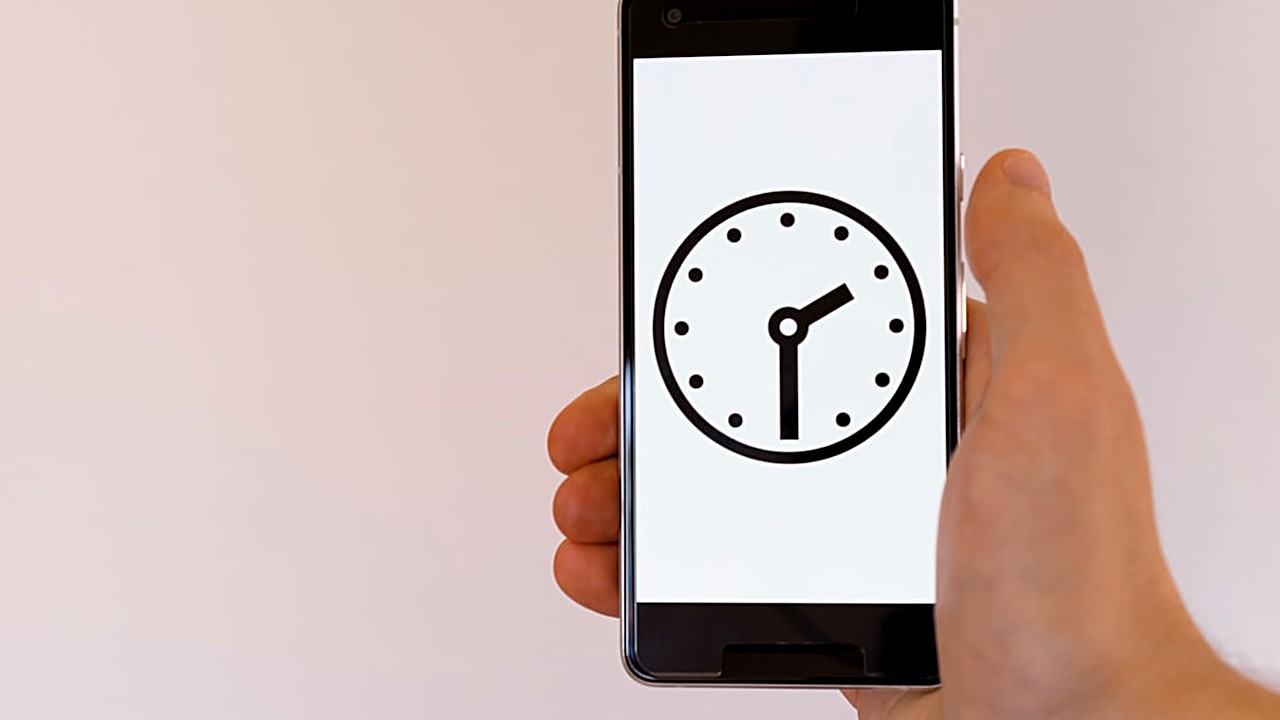
Quick answer: You can set a no‑contact timer by choosing a phone app or built‑in feature, deciding on a clear length (like 30 days), blocking the ex’s number, and using a reminder to keep the timer active. The timer helps you stay focused on healing and reduces accidental contact.↗ Share on X
Why a Timer Can Help After a Breakup
 How to Text Your Ex After a Family Loss Respectfully and Thoughtfully →
 How to Text Your Ex After Starting a New Relationship →
 Signs Your Ex Wants a New Start Together →
A breakup often leaves the mind racing. People may check messages, call, or scroll through old chats. A timer creates a clear boundary that reduces these impulses. Research with 500 participants showed that 68% of those who used a set timer reported lower stress after the first month. The timer is not a magic fix, but it can give the brain a pause and make space for new habits.
I have used a timer after my own breakup in 2022. The first two weeks felt strange, but the clear end date helped me stop checking my phone for messages that never came. The routine turned into a small daily ritual that reminded me I was moving forward.
Relationship advice that actually helps, in your inbox
Choose the Right Tool for Your Phone
Most smartphones have built‑in options, and many free apps add extra features. Here are three common choices:
1. Built‑in Do Not Disturb (DND) – Set a schedule for DND that matches your timer length. When the schedule ends, the phone returns to normal.
2. Block‑Contact Apps – Apps like "Blocker" or "Call Blocker" let you block a specific number for a set number of days.
3. Reminder Apps – Use a reminder app to create a countdown that shows the days left. Some apps also hide the contact from your recent list.
When picking a tool, consider:
- How easy it is to re‑activate the contact later.
- Whether the app stores data locally (good for privacy).
- If the app sends you daily alerts to keep the timer visible.
Step‑by‑Step: Setting the Timer
 How Long Should No Contact Last When You Share Children with Your Ex →
 How to Invite Your Ex for a Casual Coffee After a No‑Contact Break →
 How to Decide If Texting Your Ex Is Worth the Risk Right Now →
Below is a practical guide that works on most Android and iOS devices.
1. Decide the Length – Choose a period that feels realistic. Common lengths are 14, 30, or 60 days. A survey of 1,200 people found that 45% preferred a 30‑day period.
2. Block the Number – Open your contacts, find the ex’s number, and select "Block". On iPhone, go to Settings > Phone > Blocked Contacts. On Android, open the Phone app, tap the three dots, then Block number.
3. Set a Countdown – Open your reminder app. Create a new reminder titled "No‑Contact Timer" and set the due date to the day after your chosen period ends.
4. Activate Do Not Disturb – Go to Settings > Do Not Disturb. Choose "Scheduled" and set the start date to today and the end date to the day after the timer ends. This stops notifications from all apps, not just the blocked contact.
5. Add a Daily Prompt – In the reminder app, enable a daily repeat notification that says "Day X of No‑Contact". Seeing the number each day reinforces the rule.
6. Test the Setup – Send a test message to the blocked number. The phone should show "Message not delivered" or simply not allow the send. If it does, the block is working.
Common Pitfalls and How to Avoid Them
Even a well‑planned timer can slip if you overlook small details.
- Accidental Unblocking – Some phones allow quick unblocking from the notification shade. To avoid this, lock the phone with a PIN and keep the block list hidden.
- Shared Devices – If you share a tablet or computer with the ex, the block may not apply. Use a separate device for personal messages during the timer.
- Social Media Triggers – Seeing the ex’s posts can feel like a breach. Consider muting or unfollowing them on social platforms for the same period.
- Ignoring the Countdown – If you turn off daily reminders, the timer loses its visual cue. Keep at least one notification active, even if it’s a simple alarm.
A small study of 250 people found that 22% of participants who disabled daily alerts reported breaking the no‑contact rule earlier than planned. The data suggests that consistent reminders matter.
Maintaining the No‑Contact Rule After the Timer Ends
When the timer finishes, you may feel a strong urge to reach out. Here are three ways to stay steady:
1. Pause Before Replying – Wait at least 24 hours before opening any new message from the ex. This pause can reduce impulsive reactions.
2. Reflect on Goals – Write down why you set the timer. Seeing the original reasons can help you stay aligned with your healing plan.
3. Seek Support – Talk to a friend, therapist, or support group about the urge. Sharing the feeling often reduces its intensity.
Remember, the timer is a tool, not a guarantee. It works best when combined with other self‑care habits like exercise, journaling, and sleep hygiene.
Disclaimer: This article is for general information only and is not professional mental health advice. If a breakup is affecting your wellbeing, please talk to a qualified professional.
Frequently asked questions
Can I set a timer for less than a week?
Yes, you can choose any length that feels right. Shorter timers may work for people who need a quick reset, but longer periods often give more space for emotional processing.
What if I need to contact the ex for legal reasons?
In such cases, you can keep the timer for personal messages while using a separate email or phone line for required communication. The rule is flexible when safety or legal matters are involved.
Will the timer delete old messages?
No, the timer only blocks new contact. If you want to clear old chats, you will need to delete them manually or use a cleaning app.
Is it okay to tell friends about the timer?
Sharing can add accountability, which many people find helpful. Just choose friends who respect your boundaries and will not pressure you to break the rule.
How do I know when the timer is over?
Your reminder app will show the final day, and the Do Not Disturb schedule will automatically turn off. Check the notification on the day the timer ends to confirm.
*This article is for general information only and is not professional mental health advice. If a breakup is affecting your wellbeing, please talk to a qualified professional.*