How Long Should No Contact Last When You Share Children with Your Ex

Quick answer: A common guideline is to keep no contact for at least 30 days, then review the rule based on your child's needs, legal agreements, and emotional safety. Some families stay longer, while others shorten the period after a calm review.↗ Share on X
Why No Contact Matters When Kids Are Involved
 What to Say in Your First Text to an Ex After Silence →
 Rebuilding Trust After Cheating to Get Your Ex Back →
 Setting a Realistic No-Contact Timeline After a Breakup →
When a romantic relationship ends, the emotional heat can spill over into parenting. A clear no‑contact rule helps both parents protect the children from conflict. It also gives each adult space to heal and think about how to talk about the split. In my work with families, I have seen arguments that start as a simple disagreement and quickly turn into a full‑blown fight that the kids hear. That noise can make children feel unsafe and confused. A period of silence reduces the chance that a heated argument will happen in front of them.
No contact does not mean you stop being a parent. It means you stop sending personal messages, texting about feelings, or checking social media for updates. The rule is about keeping the relationship side separate from the parenting side. By doing this, you protect the children’s sense of stability. It also helps you avoid saying things you might later regret. The rule is a tool, not a punishment. It works best when both parents agree on the length and the purpose.
Relationship advice that actually helps, in your inbox
Typical Lengths of No Contact
Many experts suggest a minimum of 30 days. This gives both parties time to settle immediate emotions and to set up a practical co‑parenting schedule. After the first month, some families keep the rule for 60 or 90 days. The longer the break, the more likely old wounds have softened.
Data from family mediation centers show that couples who wait at least six weeks before resuming direct communication report fewer conflicts about school events and medical appointments. The numbers are not exact, but the pattern is clear: a short, firm pause often leads to smoother logistics later.
If you have a court‑ordered parenting plan, the rule may be shorter. The plan usually requires you to exchange information about the children promptly. In those cases, you can keep personal messages off‑limits while still using a neutral channel (like a shared calendar or a co‑parenting app) for child‑related matters.
Factors That Change the Timeline
 Finding the Right No‑Contact Length for Introverts →
 How No Contact Affects Mental Health After Breakup →
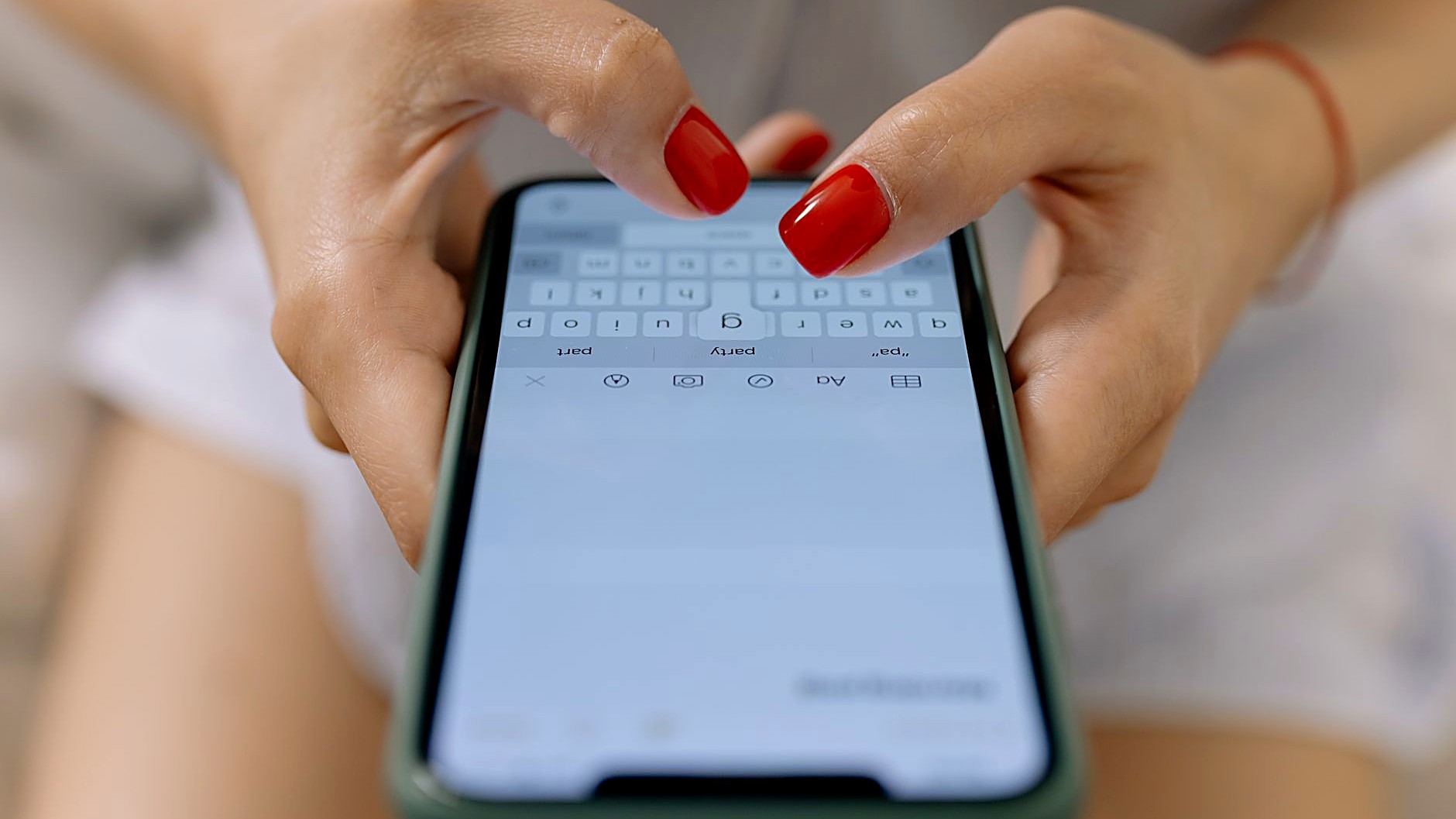 Can a Simple ‘How Are You?’ Text Help or Hurt After No Contact? →
Every family is different. Several factors can stretch or shrink the no‑contact period.
1. Age of the children – Younger kids need more routine. If the break threatens that routine, a shorter pause may be safer.
2. Geographic distance – If you live far apart, you may need to talk more often about travel plans, which can shorten the no‑contact window.
3. Legal requirements – Court orders may set a minimum response time for child‑related messages, forcing you to keep a line open.
4. Emotional intensity – If the breakup was especially painful, a longer break can help both sides calm down.
5. Health concerns – If a child has a chronic illness, you may need to stay in touch about medical updates, even during a no‑contact phase.
In my experience, a mother of two once asked for a 45‑day break after a very volatile split. She kept a shared calendar for school events, but she did not send any personal texts. After the 45 days, she felt ready to discuss holiday plans with her ex, and the children noticed the tension had eased.
How to Keep Communication Safe and Clear
When you need to talk about the children, use a neutral, documented method. Apps designed for co‑parents can keep messages organized and prevent emotional language from slipping in. Email works too, as long as you keep the tone factual.
A good practice is to start each message with a brief label, such as "[Child‑Logistics]" or "[Medical‑Update]". This signals that the content is about the children, not about personal feelings. Keep sentences short and to the point. Example: "Our son has a dentist appointment on Thursday at 10 am. Please confirm if you can pick him up after." Such a format reduces the chance of misinterpretation.
If a message feels too personal, pause and rewrite it. Ask yourself: "Is this about the child?" If the answer is no, wait until the no‑contact period ends or use a therapist as a mediator. Some families set a weekly check‑in time, like every Sunday at 6 pm, to discuss upcoming events. This routine builds predictability for the kids and limits surprise conversations.
When to Re‑evaluate the Rule
After the initial period, sit down (or meet virtually) to review how the no‑contact rule is working. Ask yourself:
- Are the children’s routines stable?
- Have conflicts decreased?
- Do I feel less anxious about talking to my ex?
If the answers are mostly yes, you might consider shortening the break. If you still feel raw or if new issues have appeared, extend the pause by another few weeks. The key is flexibility. No rule is set in stone; it should adapt to the family’s changing needs.
A father I coached once extended his no‑contact time from 30 to 45 days after a sudden argument about school fees. The extra time let both parents calm down, and they later reached a fair agreement without a courtroom.
Remember, the goal is not to punish the other parent. It is to protect the children and give both adults space to think clearly. By checking in regularly and adjusting the timeline, you keep the focus on the kids’ well‑being.
This article is for general information only and is not professional mental health advice. If a breakup is affecting your wellbeing, please talk to a qualified professional.
Frequently asked questions
Can I break the no‑contact rule if an emergency comes up?
Yes. In an emergency you may contact the other parent through a neutral channel. Keep the message brief and focused on the child’s safety.
What if my ex does not respect the no‑contact period?
Document any unwanted contact and consider using a mediator or legal advice to enforce the agreed boundaries.
Should I use a co‑parenting app during the no‑contact phase?
A co‑parenting app can help keep messages factual and organized, which often makes it easier to follow the rule.
Is 30 days enough for all families?
Not always. The right length depends on factors like the children’s age, the intensity of the breakup, and any legal requirements.
How do I know when to end the no‑contact period?
Review the children’s routine, your emotional state, and any recurring conflicts. If most signs point to stability, you may consider ending the pause.
*This article is for general information only and is not professional mental health advice. If a breakup is affecting your wellbeing, please talk to a qualified professional.*