9 Signs You Are Healing a Breakup the Wrong Way
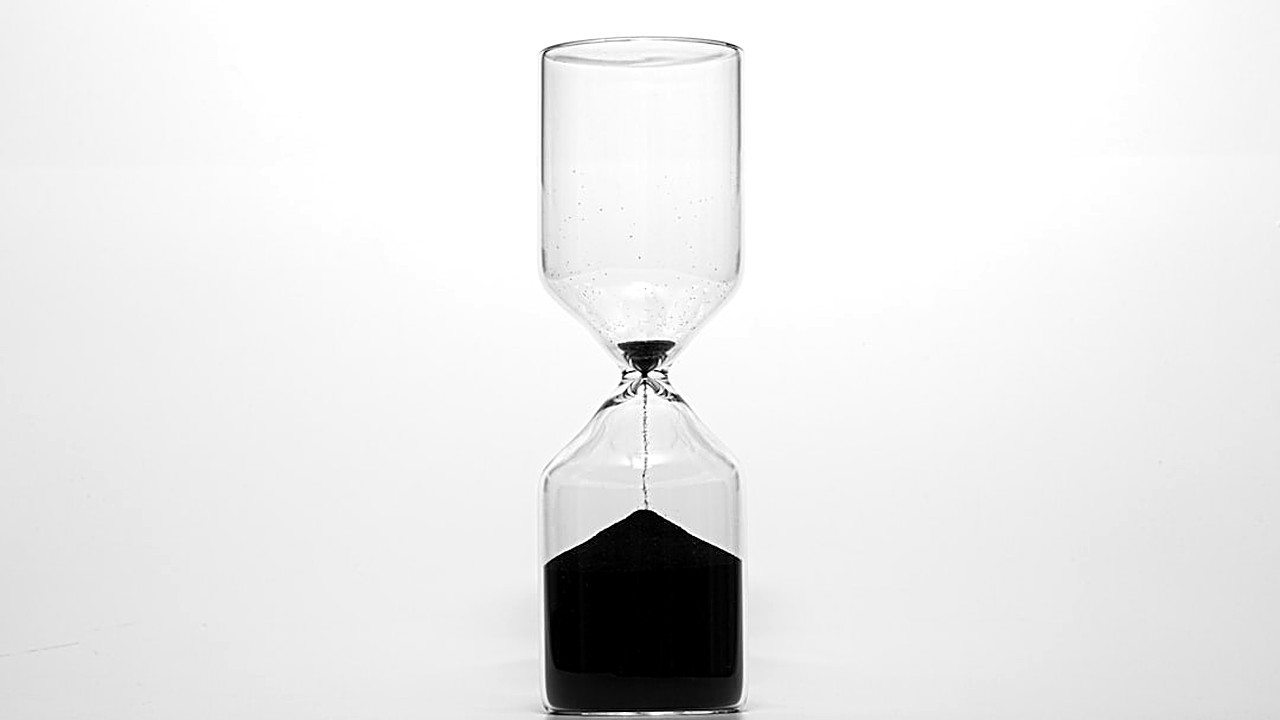
Quick answer: If you keep checking their posts, replay arguments, use substances, rush a new love, hide from friends, cling to old items, blame yourself, set impossible timelines, or ignore your own needs, you are likely healing the wrong way. Most people notice a shift after weeks to months, but the exact time depends on many factors.↗ Share on X
Understanding the Healing Timeline
 When Can You Safely Start Dating After a Breakup? →
 How to Stop Overthinking Your Ex When You See Them Daily →
 Why Breakup Pain Feels Like Physical Hurt and How to Ease It Naturally →
Healing after a breakup does not follow a strict calendar. Some people feel lighter after a few weeks, while others need many months to feel stable. The length of time depends on how long the relationship lasted, how intense the attachment was, and what coping habits you use. Research shows that people who practice self‑care and keep a routine often notice improvement sooner than those who avoid feelings or over‑indulge in distractions. Remember, the goal is not speed but health. When you notice patterns that keep you stuck, it may be a sign that you are healing the wrong way.
Relationship advice that actually helps, in your inbox
Sign 1: Constantly Checking Their Social Media
If you find yourself opening their Instagram, Facebook, or TikTok dozens of times a day, you are feeding the pain. Each new post can trigger a fresh wave of sadness or anger, making it harder to move on. A simple test is to count how many times you look at their profile in a single hour. If the number is high, try to limit exposure. I have helped many readers set a "no‑scroll" rule for a week and notice a calmer mind. Reducing this habit can give your brain space to focus on your own life.
Sign 2: Repeating Old Arguments in Your Head
 How to Set a Healthy Daily Routine After a Breakup →
 How to Survive Your Relationship Anniversary After a Breakup →
 Easy Ways to Stop Crying Over Your Ex Every Night →
When you replay the same fights over and over, you are stuck in a mental loop. This habit keeps the emotional wound open and prevents new perspectives from forming. Notice if you spend more than a few minutes a day re‑hashing what went wrong. In my own healing, I wrote down the arguments once, then closed the notebook. The act of writing helped me see the pattern and let the thoughts fade. Try a similar technique: journal for ten minutes, then close the page.
Sign 3: Using Alcohol or Drugs to Numb Feelings
Turning to drinks or substances to dull the pain can feel like a quick fix, but it often delays true recovery. The numbness is temporary, and the underlying emotions return stronger. If you notice you reach for a drink after every reminder of the breakup, it is a warning sign. I have spoken with friends who replaced one habit with another, only to feel more exhausted. Seeking healthier outlets—like a walk, a hobby, or a breathing exercise—creates lasting relief.
Sign 4: Jumping Into a New Relationship Too Fast
A fresh romance can feel like a distraction, but it may also hide unfinished feelings. When you start dating within weeks of a split, you risk comparing the new person to the old one and repeating old patterns. A good rule of thumb is to give yourself at least a few months to understand what you truly need. I once dated someone three weeks after a breakup and realized I was still carrying the previous hurt. The new relationship suffered because I had not processed the past.
Sign 5: Isolating Yourself From Friends and Family
Pulling away from loved ones may seem protective, but it removes a source of support and perspective. Friends often notice changes you miss and can offer gentle reality checks. If you have declined invitations for weeks, consider reaching out to one trusted person. In my experience, a simple coffee chat with a friend opened a door to laughter and reminded me that life continues beyond the split.
Sign 6: Holding On To Physical Reminders
Keeping every photo, gift, or piece of clothing can keep the memory alive in a painful way. While a few keepsakes are okay, a cluttered space can trigger daily sadness. Try a “memory box” with a limited number of items, or donate items you no longer need. I helped a reader create a small box with three meaningful objects; the rest were given away. The act of letting go created room for new experiences.
Sign 7: Blaming Yourself or Them for Everything
Extreme self‑blame or constant criticism of your ex can trap you in guilt or anger. Both extremes prevent you from seeing the full picture and learning from the experience. Ask yourself if the blame feels balanced. If you notice a pattern of harsh judgment, consider writing a balanced list of what worked and what didn’t. This exercise can shift the focus from blame to growth.
Sign 8: Setting Unrealistic Recovery Goals
Saying "I will be happy again in a month" puts pressure on your emotions. When the goal is not met, you may feel like a failure, which deepens the wound. Instead, aim for small, achievable steps—like sleeping eight hours, exercising twice a week, or spending time outdoors. I have seen clients celebrate these tiny wins, and the confidence builds over time.
Sign 9: Ignoring Your Own Needs
When you put the breakup above your health—skipping meals, neglecting exercise, or avoiding hobbies—you are sending a message that your well‑being is not important. Listening to your body and mind is essential. Schedule regular meals, move your body, and make time for activities that bring you joy. In my own practice, I set a daily reminder to stretch and drink water; the simple habit helped me feel steadier.
Practical Steps to Move Forward
1. Create a daily routine – Consistency gives your mind a safe structure.
2. Limit digital contact – Use app blockers or set specific times to check messages.
3. Express emotions – Write, talk to a friend, or join a support group.
4. Invest in self‑care – Sleep, nutrition, and gentle exercise are foundations.
5. Set realistic milestones – Celebrate small progress rather than a distant finish line.
6. Seek professional help if needed – A therapist can guide you through deeper patterns.
Remember, healing is a personal journey. The signs above are clues that you may need to adjust your approach. By noticing them and trying gentle, steady steps, you give yourself a better chance to feel whole again.
*This article is for general information only and is not a substitute for therapy or medical advice. If you feel overwhelmed or in crisis, please contact a qualified mental health professional or a crisis line in your country.*
Frequently asked questions
How long does it usually take to get over a breakup?
The time varies for each person. Some notice a shift after a few weeks, while others may need several months. Factors such as relationship length, attachment style, and coping habits influence the timeline.
Can I still be friends with my ex without hurting my healing?
It depends on your emotional state. If staying friends feels calm and does not trigger strong negative feelings, it can be okay. If it brings more pain, it may be healthier to create distance for a while.
Is it normal to feel sad months after a breakup?
Yes. Grief can surface in waves. Feeling sad weeks or months later does not mean you are failing; it often means you are processing deeper layers of the loss.
Should I seek professional help if I notice these signs?
If the signs cause significant distress or interfere with daily life, talking to a therapist can provide guidance and support. Professional help is a safe option for many people.
What is a simple daily habit that can help my recovery?
A short morning walk combined with a few deep breaths can ground you and set a positive tone for the day. Consistency is more important than length.
*This article is for general information only and is not a substitute for therapy or medical advice. If you feel overwhelmed or in crisis, please contact a qualified mental health professional or a crisis line in your country.*